
Welcome
to ARC BITA
Collaborative Australian Research
Who we are
We are an Australian Research Council Industrial Transformation Training Centre led by Queensland University of Technology in partnership with University of Queensland, University of Western Australia.
The Training Centre builds cross-sector partnerships to tackle complex challenges, advancing research and training that bridge theory and practice. We develop people, data, and solutions to help Australian organisations achieve greater returns on technology investment.
Our Partners
The Training Centre collaborates with industry and government partners to boost productivity and adoption of innovation, support businesses to grow and enable more innovative new products and services to reach end-users in local, domestic and global markets.
Meet the Team
Our Training Centre connects industry and government stakeholders with leading interdisciplinary researchers. Our experts specialise in behavioural economics, social marketing, and social psychology and focus on creating innovative solutions to complex societal challenges. This expertise drives impactful research and training that bridges academic theory and real world application.

Our Students
The Training Centre is proud to work with HDR students, each collaborating with an industry partner and making valuable contributions to our research program.
At the Training Centre, we actively share insights through a range of activities and resources. Stay connected with us to keep up to date with our latest publications and upcoming opportunities to engage.

2026 Nudgeathon
2026 Nudgeathon

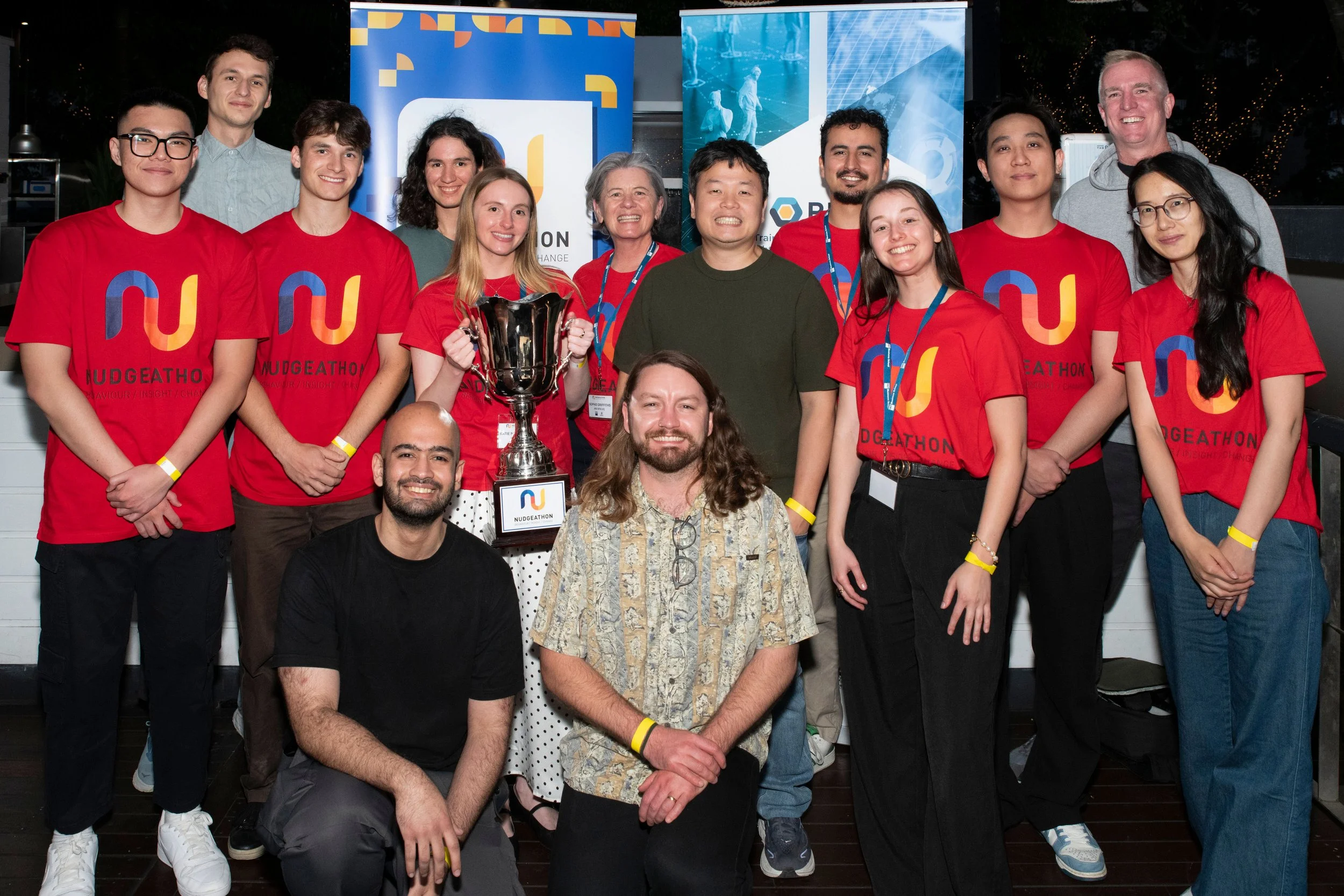
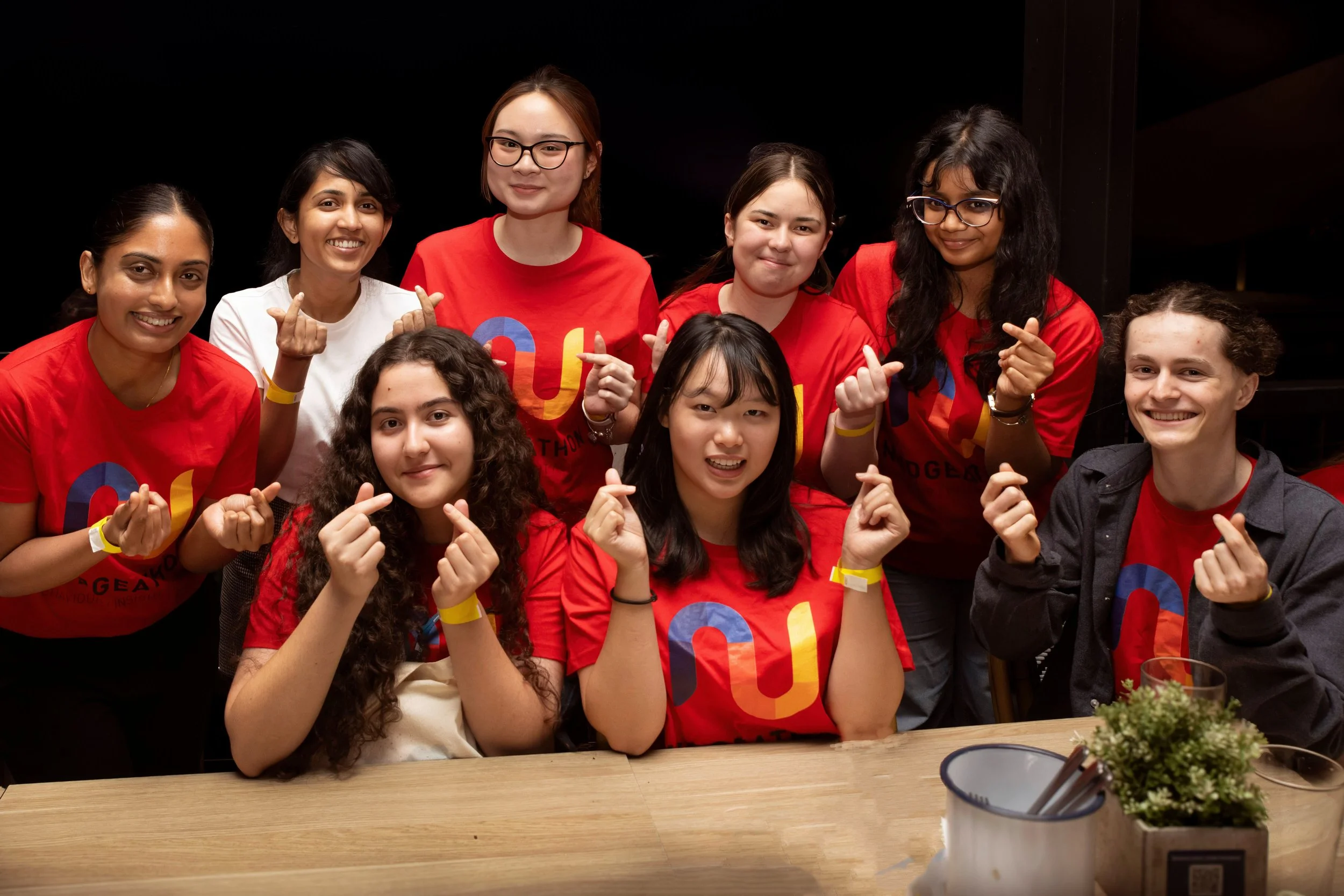
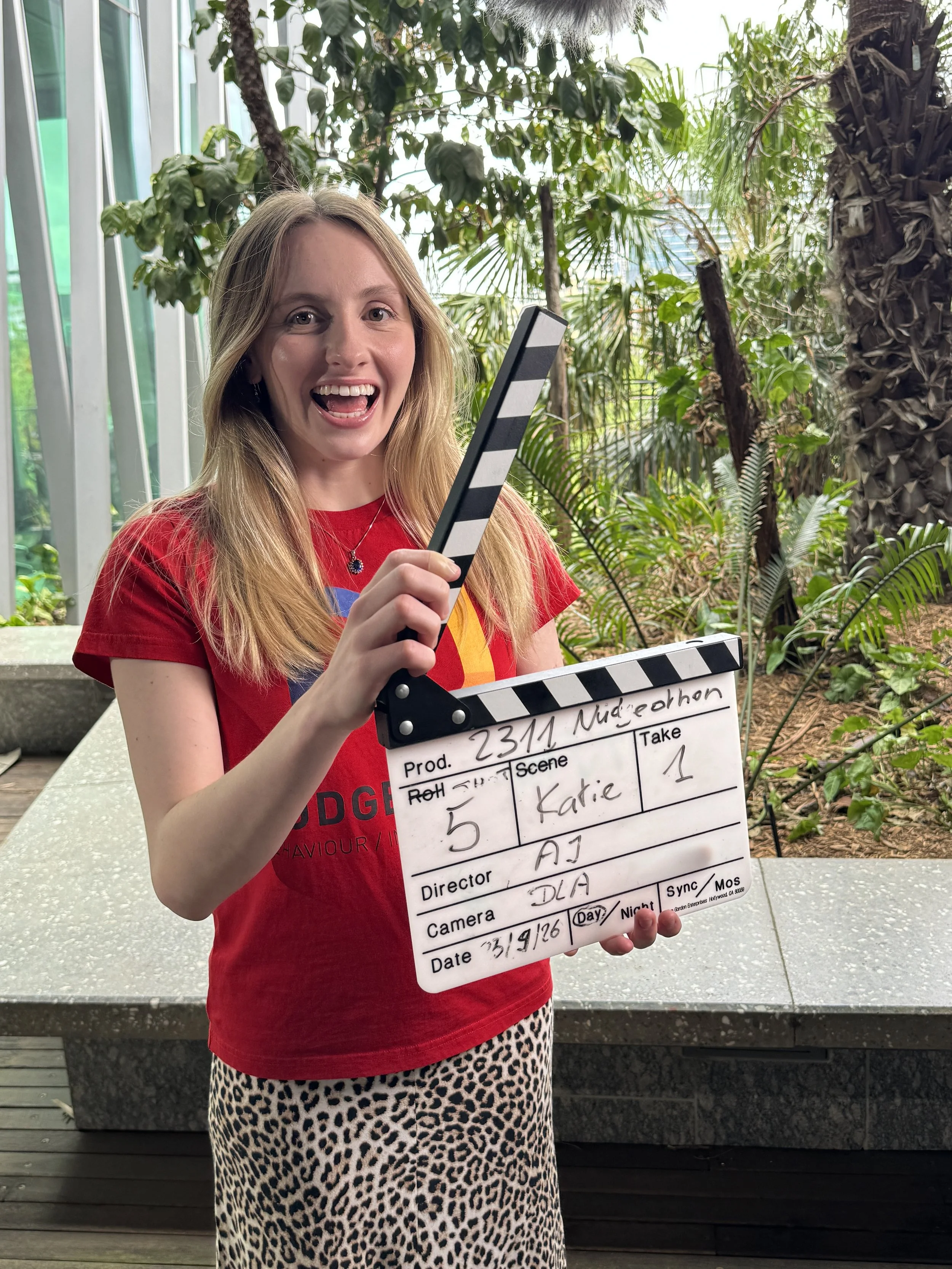
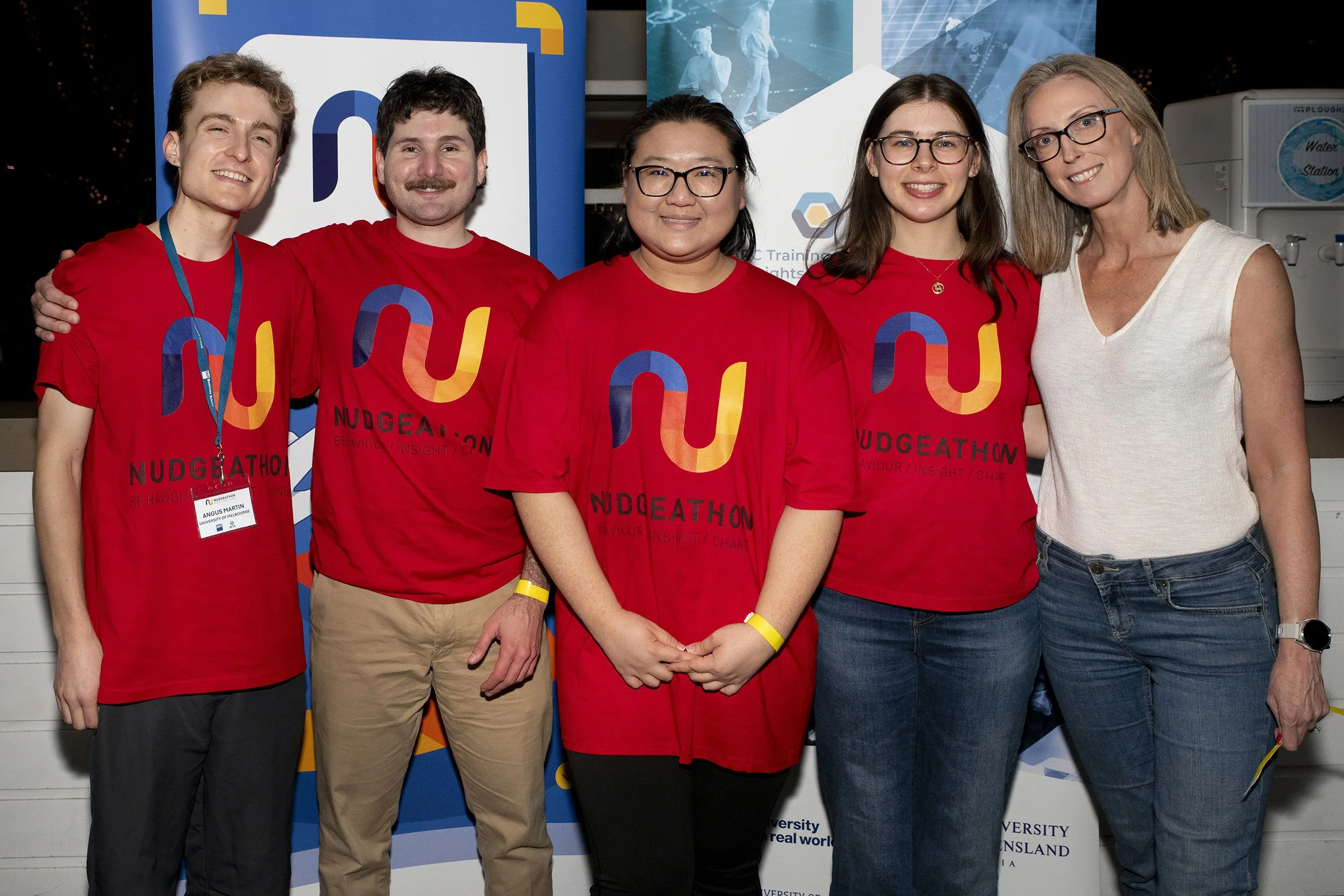
That’s a wrap on September’s Nudgeathon!
Proudly sponsored by the National Fire Ant Eradication Program
Since their detection in Queensland in 2001, Red Imported Fire Ants (Solenopsis invicta) have spread rapidly across Southeast Queensland, posing a growing threat to ecosystems, agriculture, infrastructure, and public health. Their ability to spread through contaminated soil, mulch, plants, and machinery has enabled infestations to expand into new regions, causing significant environmental and economic impacts.
Across an intensive two-and-a-half-day competition, teams applied behavioural science principles to design innovative, evidence-based interventions that bridge the gap between awareness and action. Participants developed solutions aimed at encouraging preventative behaviours, strengthening community engagement, and supporting Australia’s ongoing efforts to contain and eradicate fire ants

Latest News
New The Mandarin Article!
How should governments manage the costs of administrative change when citizens when citizens cannot choose an alternative provider?
In our latest The Mandarin article, Centre Director Professor Benno Torgler and Dr Ho Fai Chan explore the Australian Taxation Office's decision to stop accepting credit card payments after 30 November 2026 and the broader question it raises about public administration when citizens cannot exit.
Avoiding a public subsidy for merchant fees is a defensible objective, but the choice among absorbing those fees, seeking an exemption and withdrawing acceptance also determines who bears the burden of reform. Albert Hirschman’s framework of exit, voice and loyalty explains why that distribution deserves particular scrutiny in a compulsory relationship. Where exit is unavailable, meaningful voice and fair treatment help sustain the cooperation on which effective administration depends. Withdrawal may be justified, provided the ATO identifies reliance on short-term credit, manages the transition proportionately and tests whether agency savings are accompanied by wider benefits. The fewer alternatives citizens have, the greater government’s responsibility to demonstrate that its discretion is exercised fairly.
Read more here
Other News

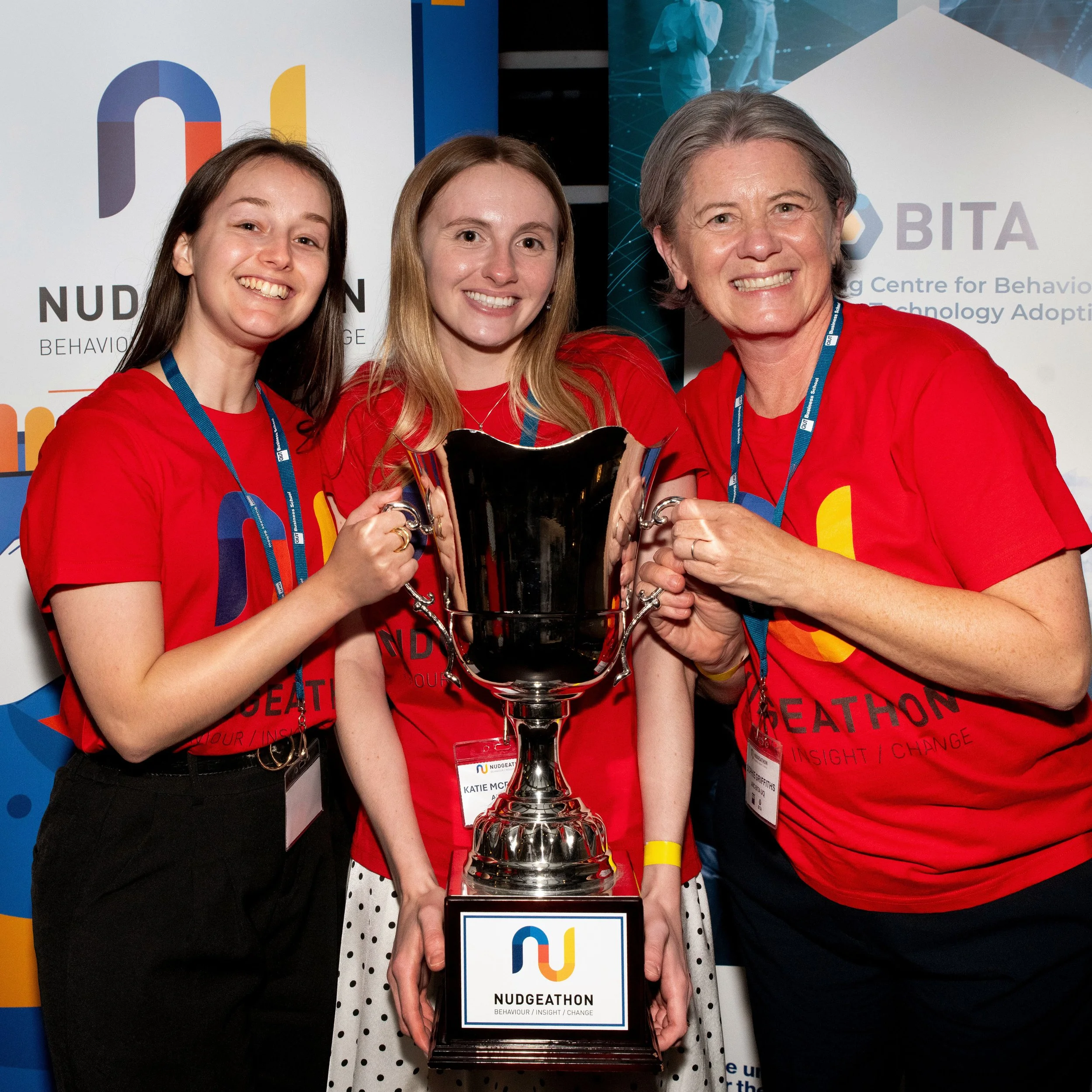
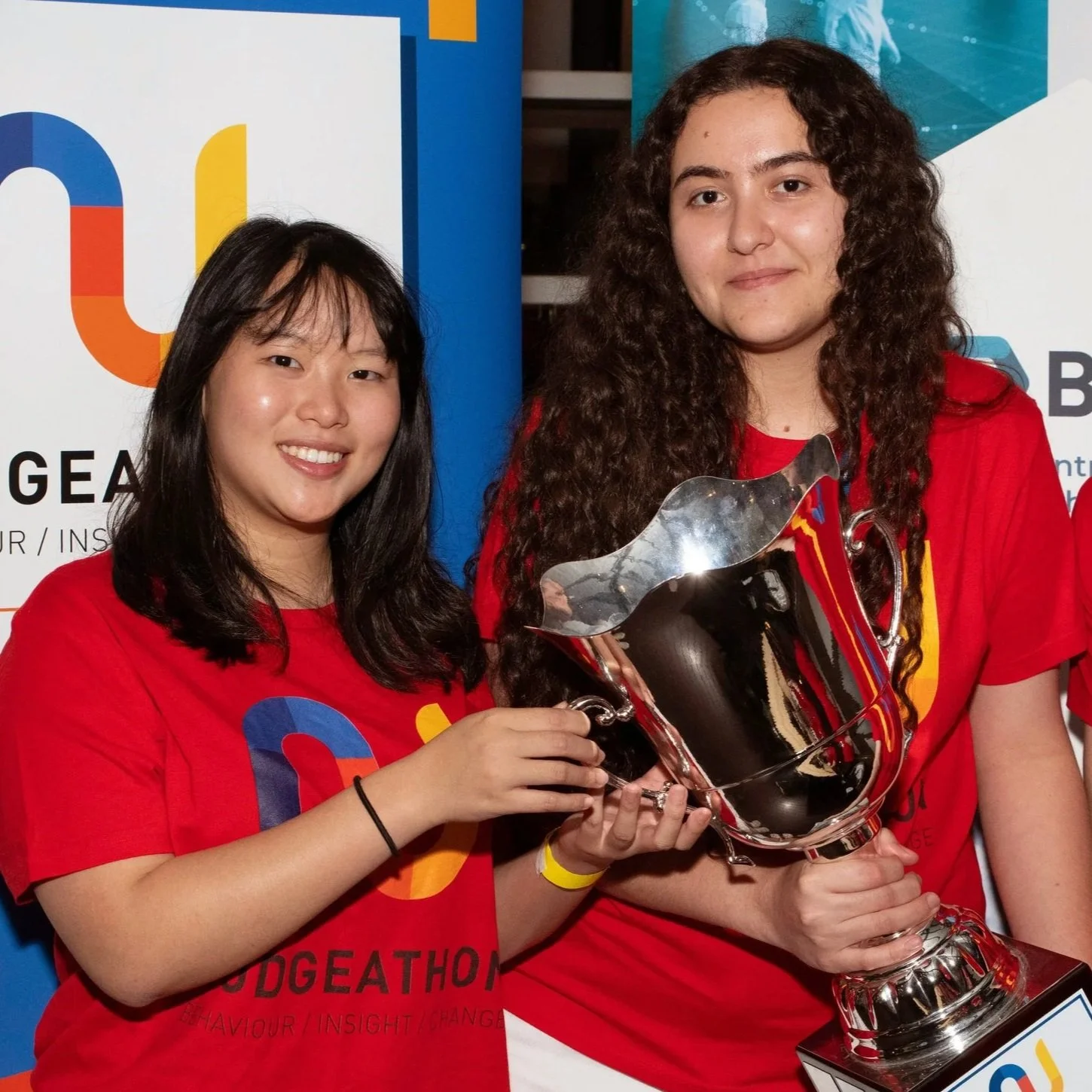
That’s a wrap on Nudgeathon 2026!
After three days of inspiring ideas, creative problem-solving, and future-focused thinking, we’re thrilled to announce the winners…
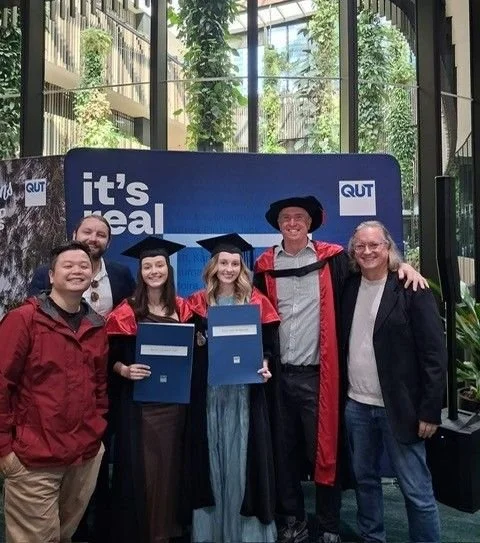
Congratulations to Rachel Hall and Katie McDonnell on graduating with their Master of Philosophy!
Latest podcast episode released!
In our latest podcast, our hosts sit down with Associate Professor Leonora Risse from the Queensland University of Technology. Tune in here

New Working Paper!
How can we decide whether evidence is credible enough to act on when information is imperfect? In his latest working paper, Professor Benno Torgler develops a practical framework for assessing the credibility of reports under uncertainty


Geek Seminars
We’re excited to share our recently launched series of informal, practical “Geek Seminars“.